
Fencing in Boothstown
Fence installers for gardens: fencing supplied and fitted, from single panels to full perimeters, straight and solid the first time. Around six miles from our Leigh base.
Fencing for Boothstown Gardens
Fencing on Boothstown’s estates tends to fail in waves. Whole streets were fenced at the same time when the houses went up, so when one garden’s panels start leaning, the neighbours’ are rarely far behind. We replace fences properly, with concrete posts and gravel boards where the exposure calls for them, so the new fence outlasts the one it replaced.
We cover Boothstown and the surrounding area: Ellenbrook, Boothsbank, Vicars Hall, Mosley Common, Worsley and beyond (M28).
Get a Free Boothstown Quote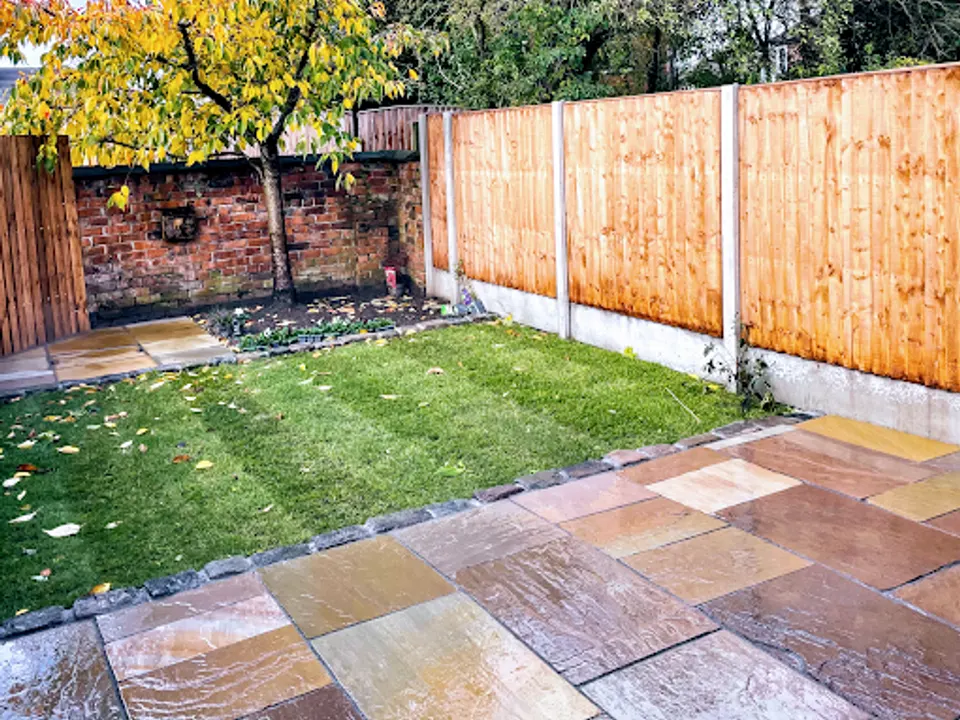
What’s Included
The village backs onto open land and the canal corridor, and gardens on those edges catch more wind than the sheltered plots in the middle of the estates. We’ll look at what your boundary actually faces before recommending a spec. There’s no point paying for armour you don’t need, or skimping where you do.
- Close-board, panel and picket fencing
- Concrete or timber posts, set properly
- Gravel boards to stop rot at ground level
- Garden gates made to match
- Old fencing removed and disposed of
- Storm damage fence repairs and panel swaps
How It Works
Fencing in Boothstown, FAQs
Yes, if the posts are sound we’ll swap panels and leave the rest alone. If the posts have gone, we’ll tell you straight, because new panels on rotten posts is money wasted.
Up to 2 metres in a back garden without planning permission as a general rule, but only 1 metre where the fence fronts a highway. On corner plots, and Boothstown’s estates have plenty, we’ll check what applies with Salford City Council’s rules before we build.
Most domestic fencing jobs take one to two days. A single 6ft panel or post swap is usually done in a morning; a full garden perimeter with old fence removal might run to two or three days.
Concrete posts last decades and never rot, but timber looks softer and costs less up front. In exposed gardens we usually recommend concrete posts with gravel boards, because that combination survives the wettest winters.