
Fencing in Culcheth
Fence installers for gardens: fencing supplied and fitted, from single panels to full perimeters, straight and solid the first time. Around five miles from our Leigh base.
Fencing for Culcheth Gardens
Step past the built-up centre of Culcheth and you’re quickly into open farmland, and gardens backing onto fields around Wigshaw, Fowley Common and the village edges take the wind head-on. Fencing out here needs to be built for exposure: concrete posts, gravel boards and panels fixed so they stay put through winter.
We cover Culcheth and the surrounding area: Twiss Green, Wigshaw, Fowley Common, Newchurch, Glazebury and beyond (WA3).
Get a Free Culcheth Quote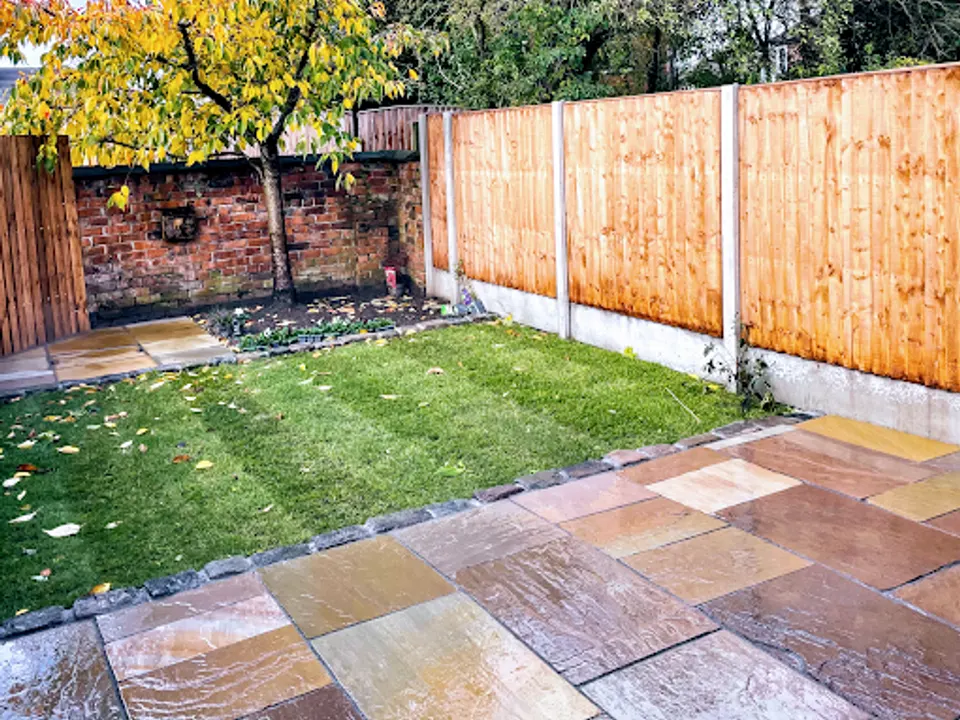
What’s Included
In the village itself the work is more about boundaries between good-sized plots, long runs between neighbours, replacing tired timber that’s done twenty winters, and front fencing that keeps the kerb appeal up. We supply, build and repair the lot, and cart the old fence away.
- Close-board, panel and picket fencing
- Concrete or timber posts, set properly
- Gravel boards to stop rot at ground level
- Garden gates made to match
- Old fencing removed and disposed of
- Storm damage fence repairs and panel swaps
How It Works
Fencing in Culcheth, FAQs
Concrete posts with gravel boards as the backbone, and for the most exposed runs a hit-and-miss style panel that lets wind pass through rather than pushing against a solid face. We’ll recommend based on how open your boundary is.
The usual rule applies: up to 2 metres in a back garden without planning permission, and 1 metre where the fence sits next to a highway. Anything unusual, a corner plot, say, and we’ll check with Warrington Borough Council rules before building.
Most domestic fencing jobs take one to two days. A single 6ft panel or post swap is usually done in a morning; a full garden perimeter with old fence removal might run to two or three days.
Concrete posts last decades and never rot, but timber looks softer and costs less up front. In exposed gardens we usually recommend concrete posts with gravel boards, because that combination survives the wettest winters.