Tree Pruning in Boothstown
Tree surgeon work for gardens: careful pruning and tree trimming that keeps your trees healthy, tidy and the right size, with council checks handled before a single cut. Around six miles from our Leigh base.
Tree Pruning for Boothstown Gardens
Boothstown has a good mix of trees, younger specimens planted with the estates that now need shaping as they mature, and older, bigger trees along the village’s established lanes and the canal edge. Both need pruning with a plan: cuts in the right place, at the right time of year, so the tree stays healthy and holds a natural shape.
We cover Boothstown and the surrounding area: Ellenbrook, Boothsbank, Vicars Hall, Mosley Common, Worsley and beyond (M28).
Get a Free Boothstown Quote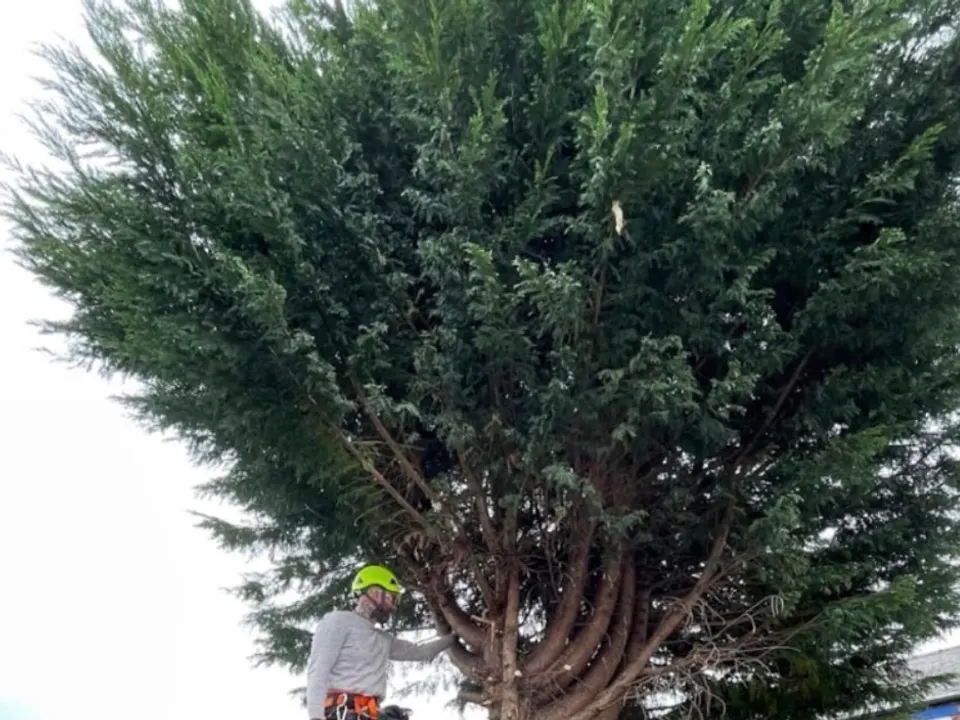
What’s Included
The most common calls we get here are crown lifts to get light back into gardens and reductions where a tree has outgrown its spot near a house, shed or boundary. We never top trees. It ruins them and creates weak regrowth that becomes tomorrow’s problem.
- Crown reduction, thinning, lifting and deadwooding
- Tree trimming, reshaping and pollarding for overgrown or lopsided trees
- Fruit tree pruning for health and cropping
- Small tree felling, removal and taking the stump out
- TPO and conservation area checks with the council
- All branches and green waste taken away
How It Works
Tree Pruning in Boothstown, FAQs
For most garden trees, no. But if the tree carries a Tree Preservation Order or sits in a conservation area, Salford City Council must approve the work first. We can check the tree’s status for you before quoting. It’s a quick job and it keeps everything above board.
Usually a crown lift (removing lower branches), a crown thin (letting light filter through) or a reduction (bringing the whole canopy in). Which is right depends on the tree and what’s underneath it. We’ll walk you through the options on site.
Crown reduction makes the whole tree smaller by cutting back to lower growth points, keeping a natural shape. Crown thinning keeps the tree the same size but removes selected branches so more light and wind pass through. Thinning is often the answer when the real problem is shade, not size.
Your local council keeps a register of TPOs, and trees in conservation areas have similar protection. You usually need to give the council six weeks’ notice before working on them. We check this for you before quoting, because unauthorised work on a protected tree can mean a hefty fine.
As a rule of thumb, no more than about a third of the live crown in a single season. Cutting harder than that stresses the tree and triggers a mess of weak, fast regrowth. If a tree needs a big reduction, it’s often better done in stages a year or two apart. We’ll advise on what the tree can take.